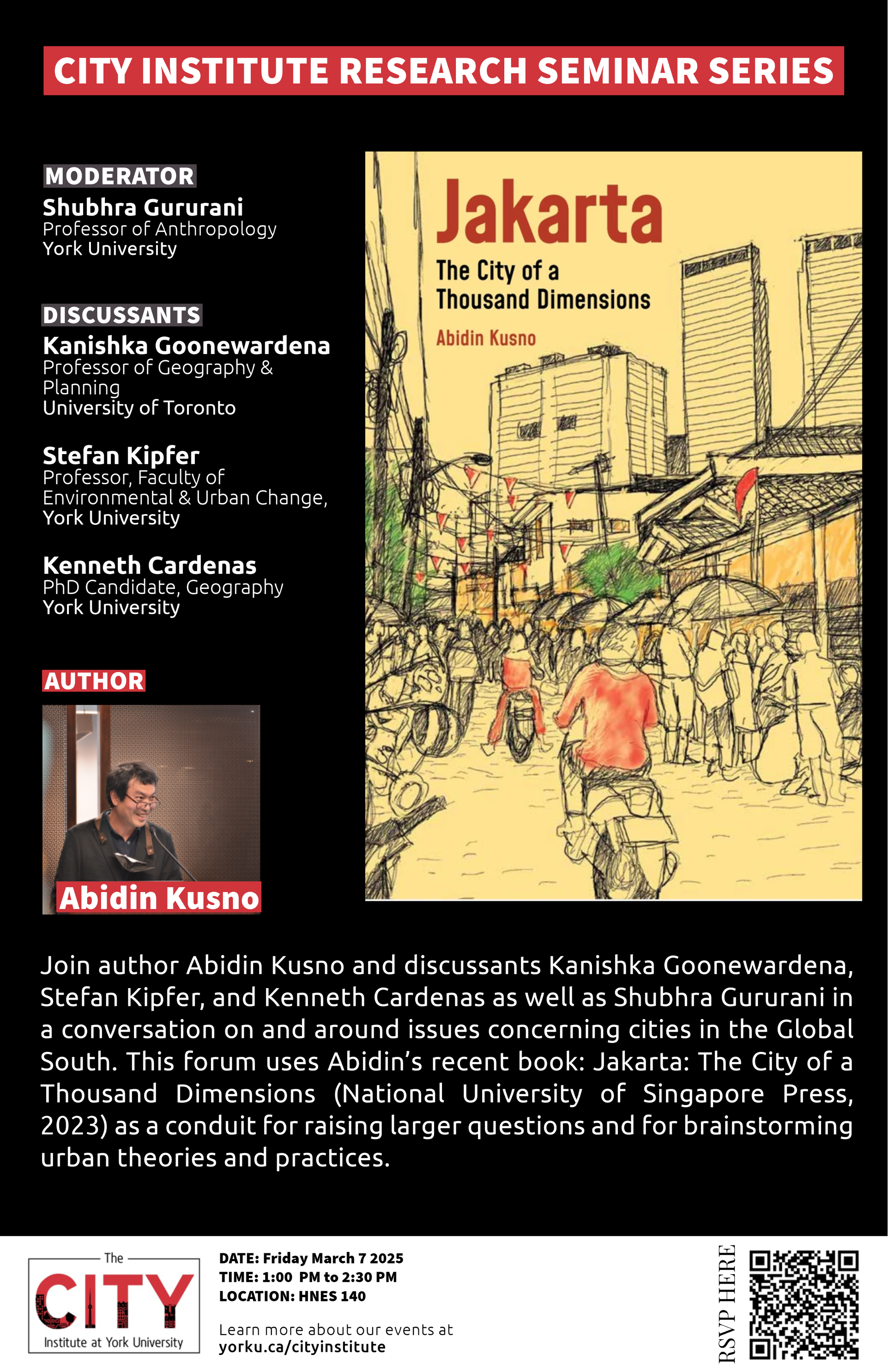
With Dr. Shubhra Gururani, Dr. Kanishka Goonewardena, and Dr. Stefan Kipfer, I will be discussing Dr. Abidin Kusno’s Jakarta: The City of a Thousand Dimensions at York University on 7 March 2025.
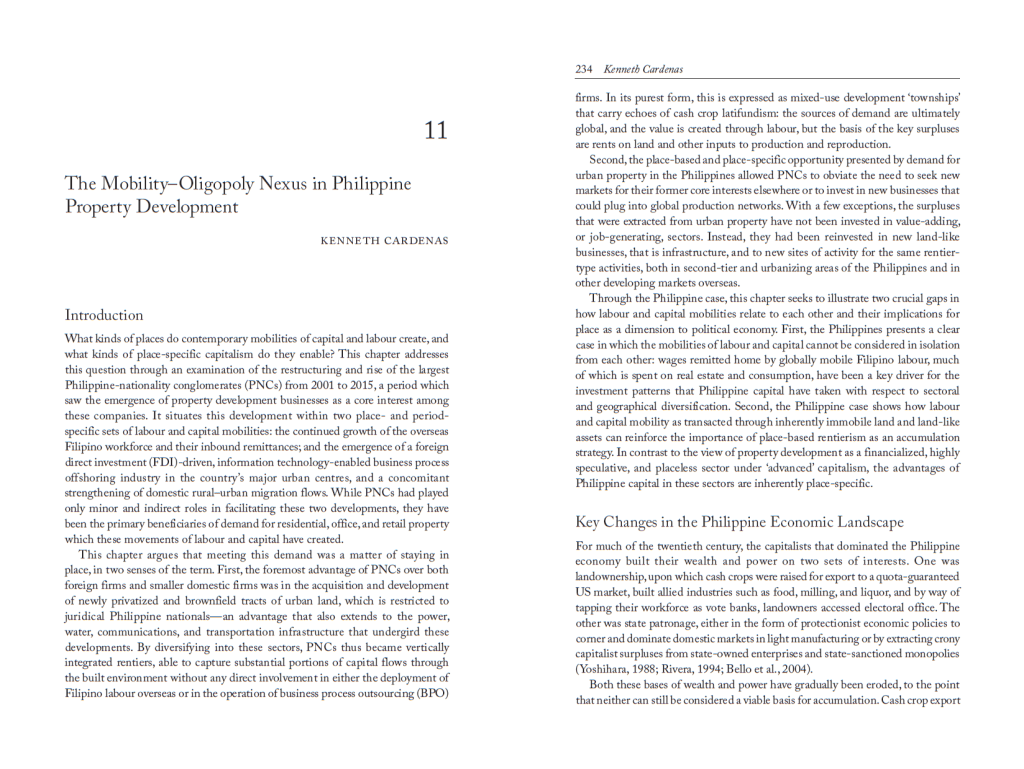
What kinds of places do contemporary mobilities of capital and labour create, and what kinds of place-specific capitalisms do they enable? This chapter addresses this question through an examination of the restructuring and rise of the largest Philippine-nationality conglomerates (PNCs) from 2001 to 2015, a period which saw the emergence of property development businesses as a core interest among these companies. It situates this development within two place- and period-specific sets of labour and capital mobilities: the continued growth of the overseas Filipino workforce and their inbound remittances; and the emergence of a foreign direct investment-driven, information technology-enabled business process offshoring industry in the country’s major urban centres, and a concomitant strengthening of domestic rural-urban migration flows. While PNCs had played only minor and indirect roles in facilitating these two developments, they have been the primary beneficiaries of demand for residential, office, and retail property which these movements of labour and capital have created.
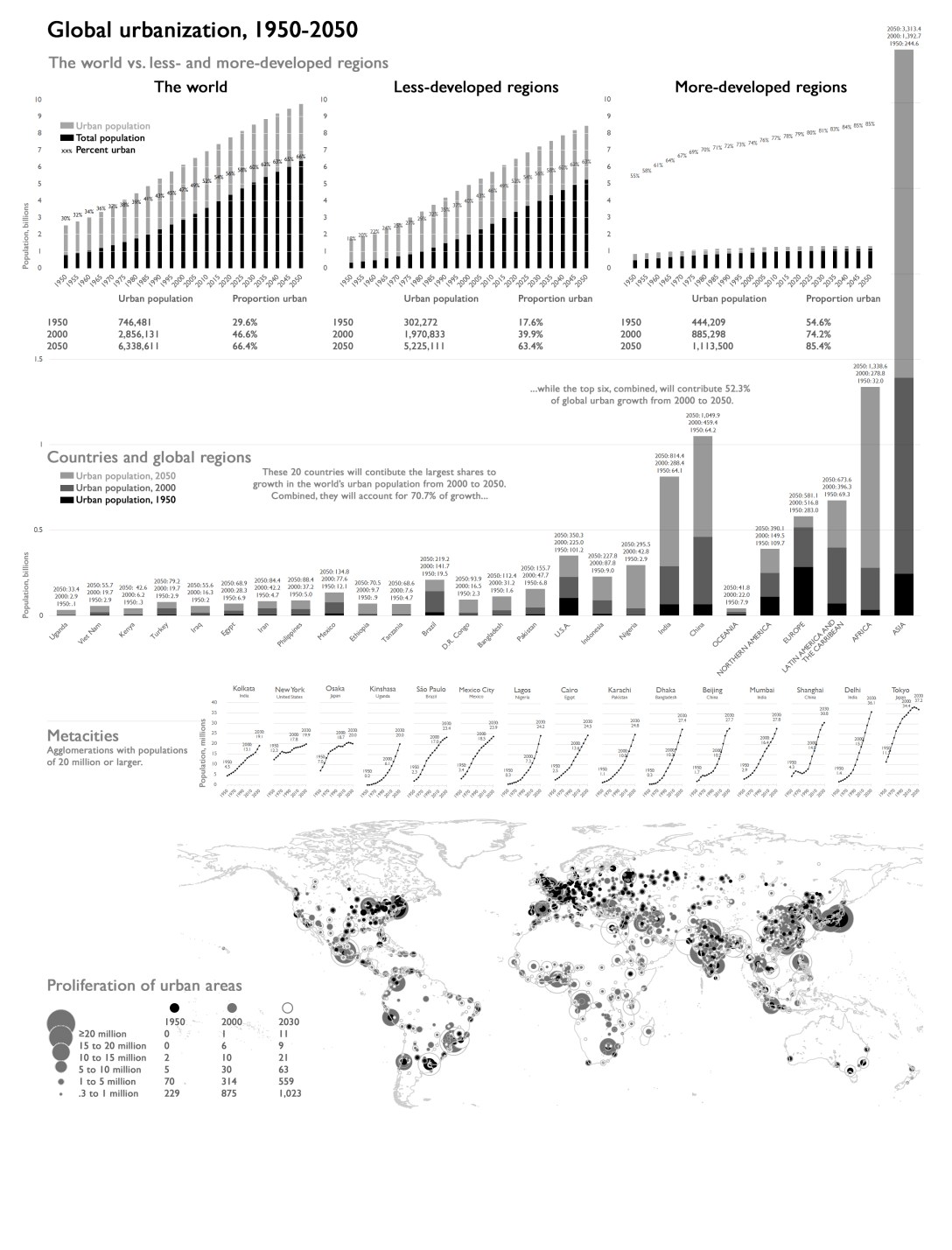
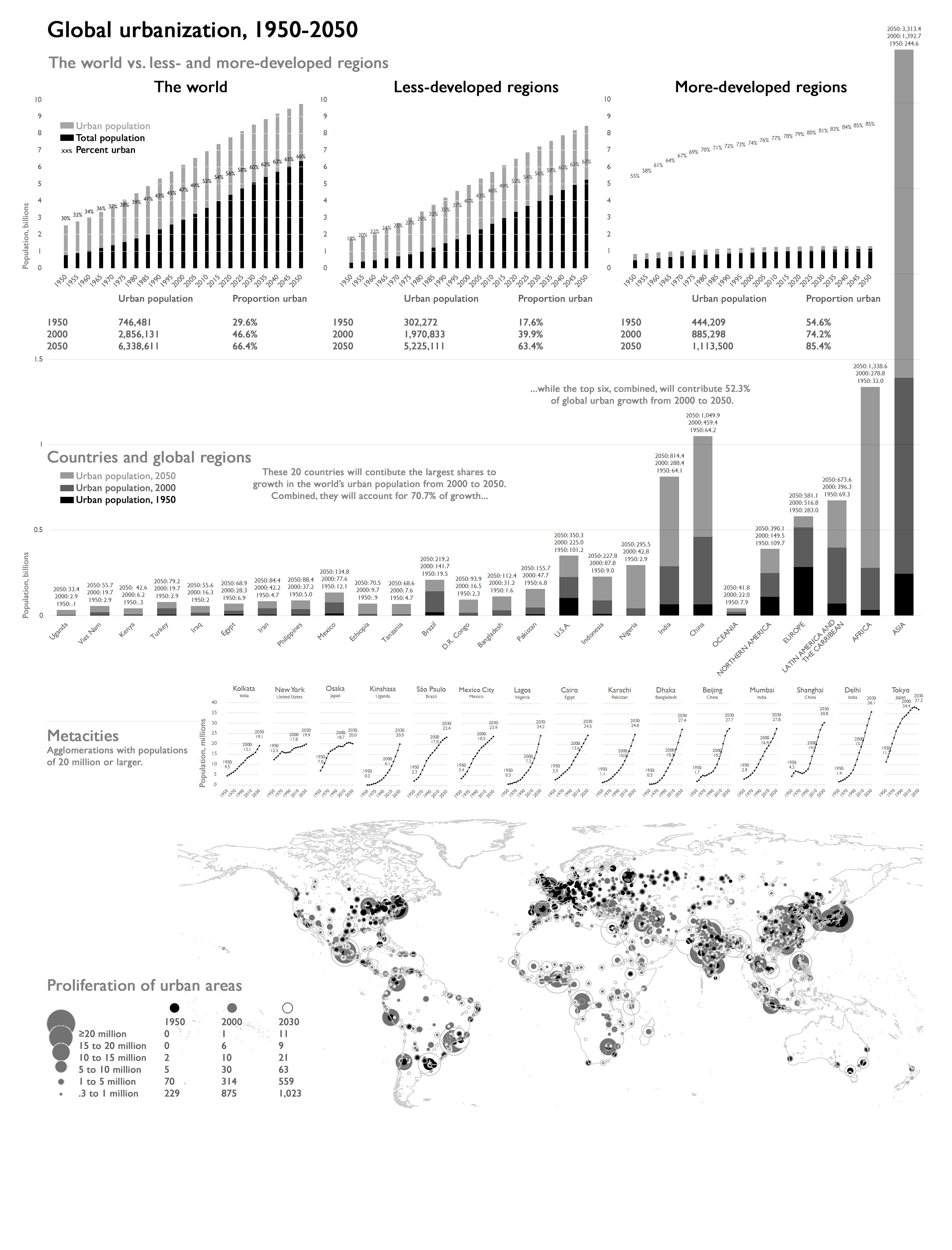
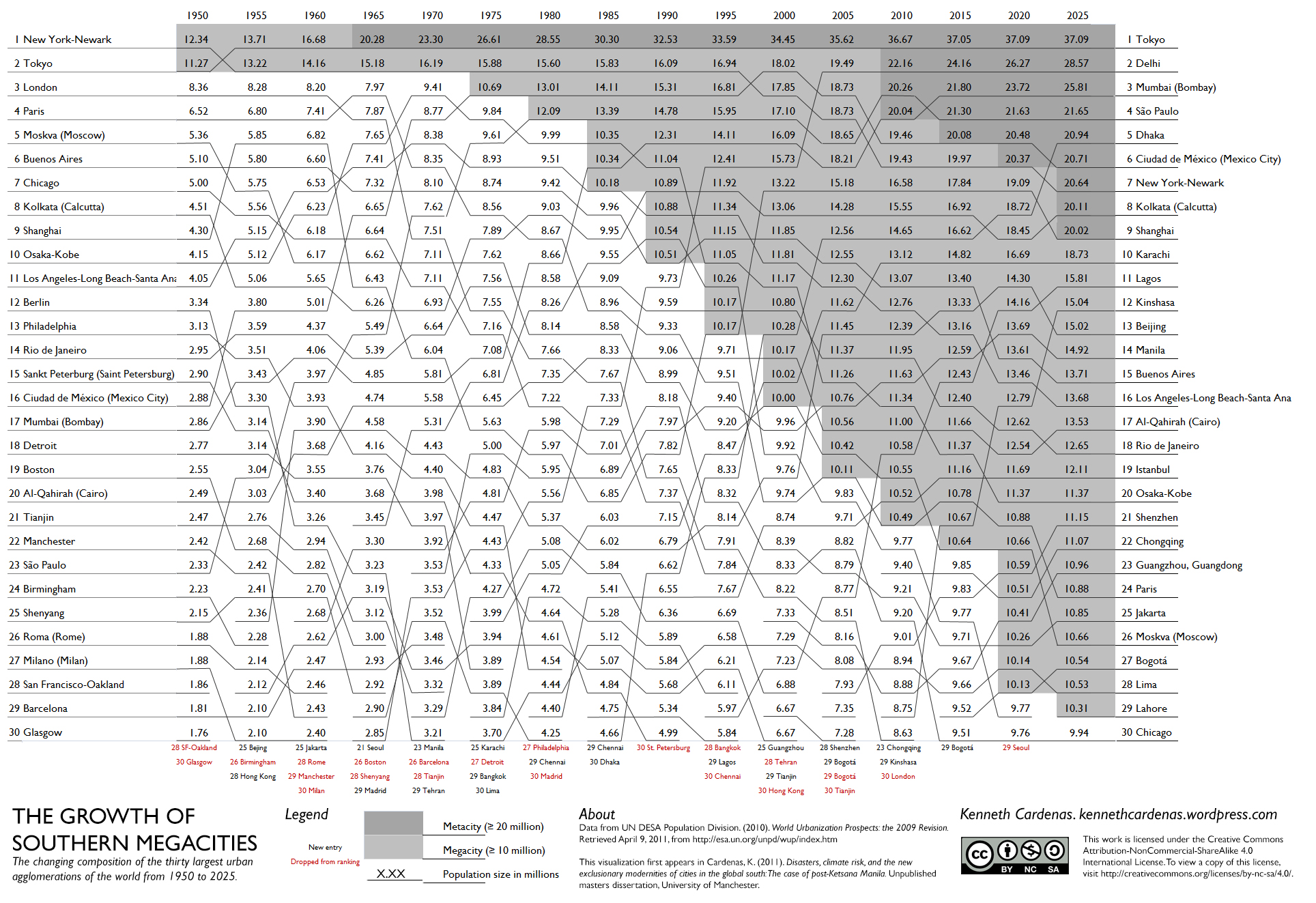
A version of this graphic saw use in Cardenas, K. and Kelly, P.F. “Shifting Urban Contours: Understanding a World of Growing and Shrinking Cities.” in A. Bain and L. Peake (eds.) (2017). Urbanization in a Global Context: Canadian Perspectives. Oxford: Oxford University Press.
 Kenneth Cardenas